CLLD Interreg-Kleinprojektefonds 2021-2027
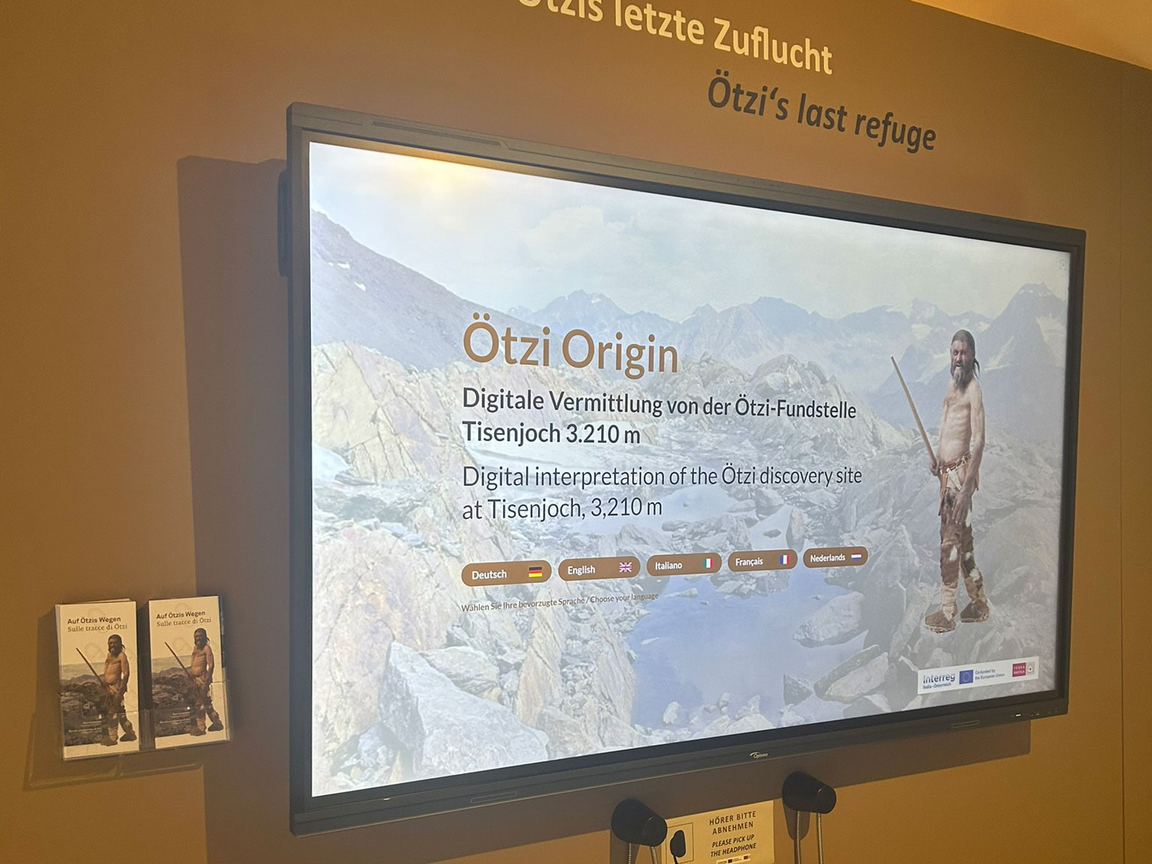
Ötzi Origin - Digital exhibition at the Ötzi discovery site at Tisenjoch, 3,210 m
A joint Interreg project – Ötzi Village Umhausen and archeoParc Schnalstal
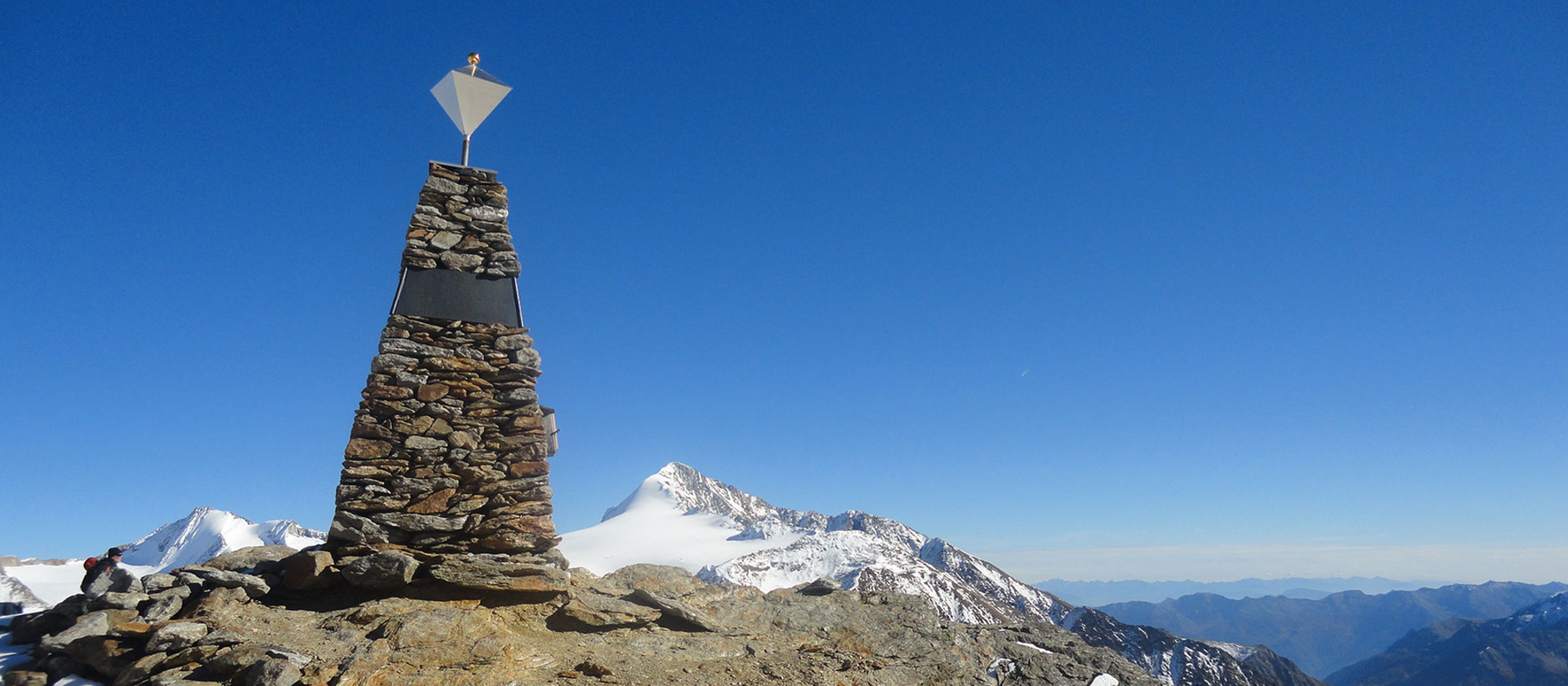
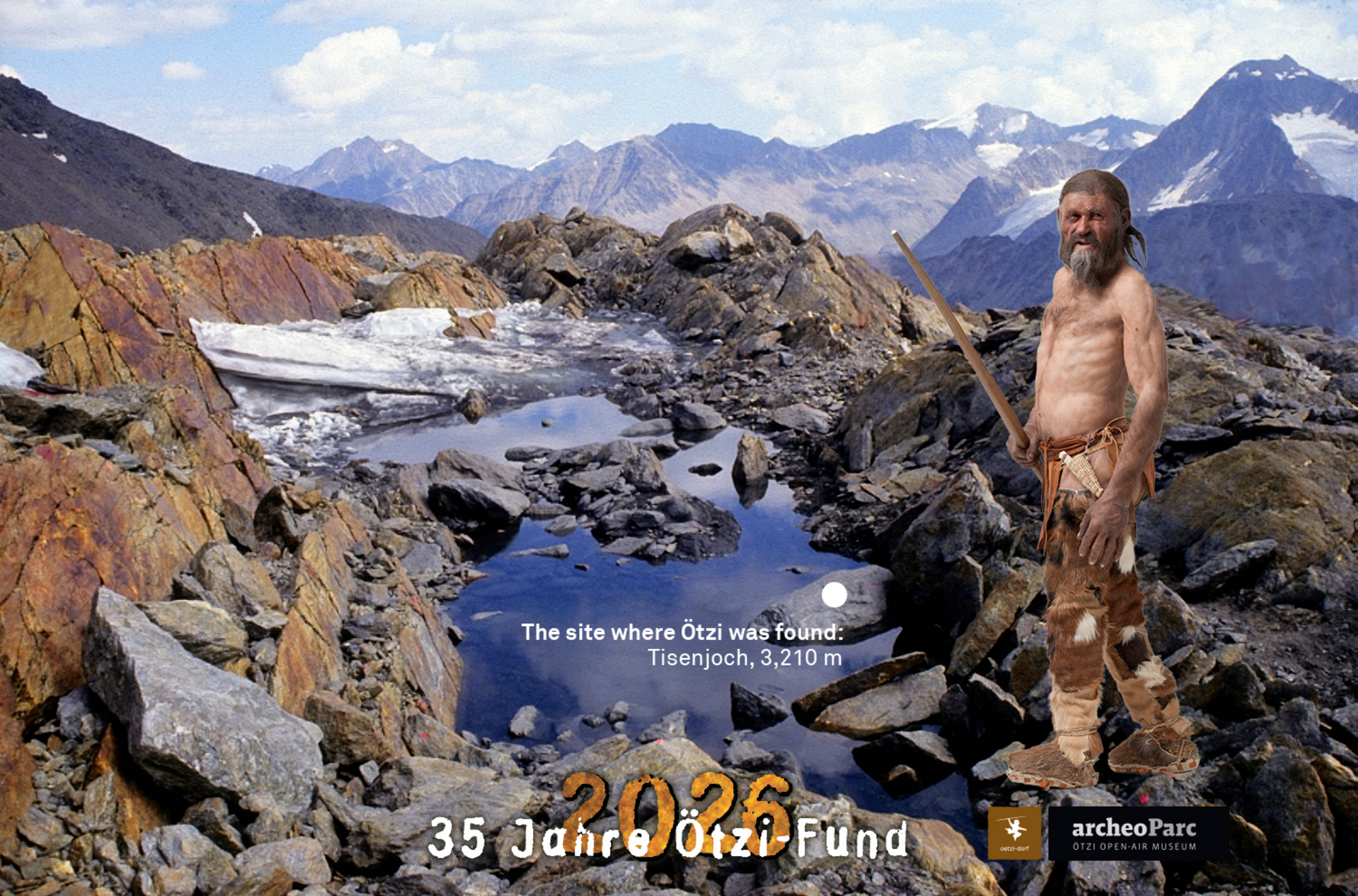
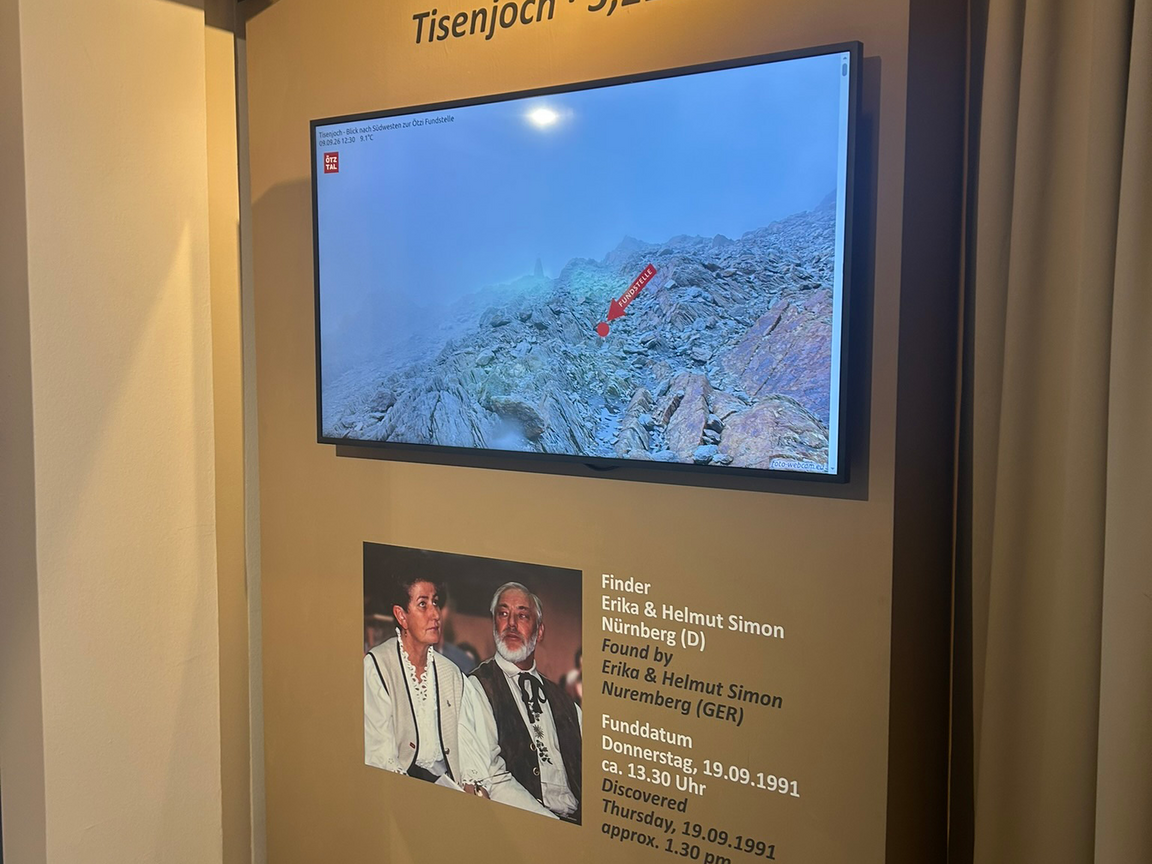
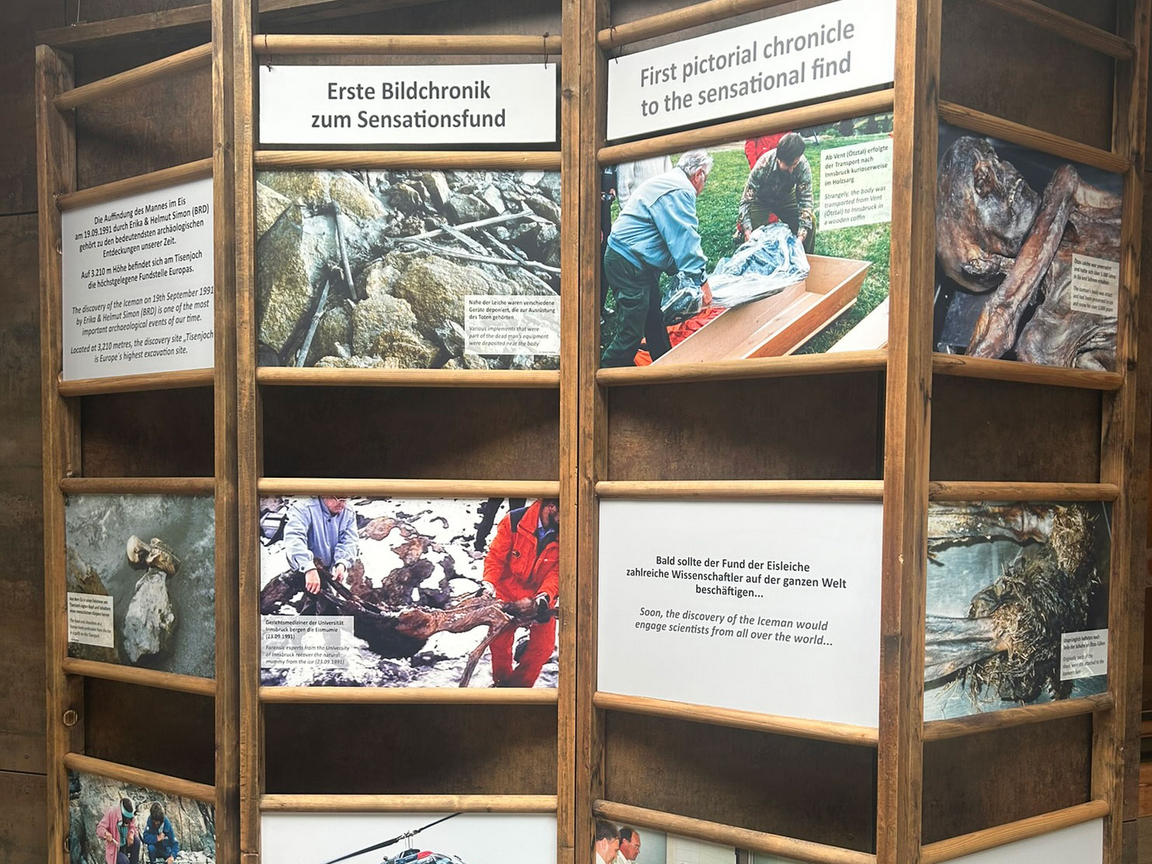
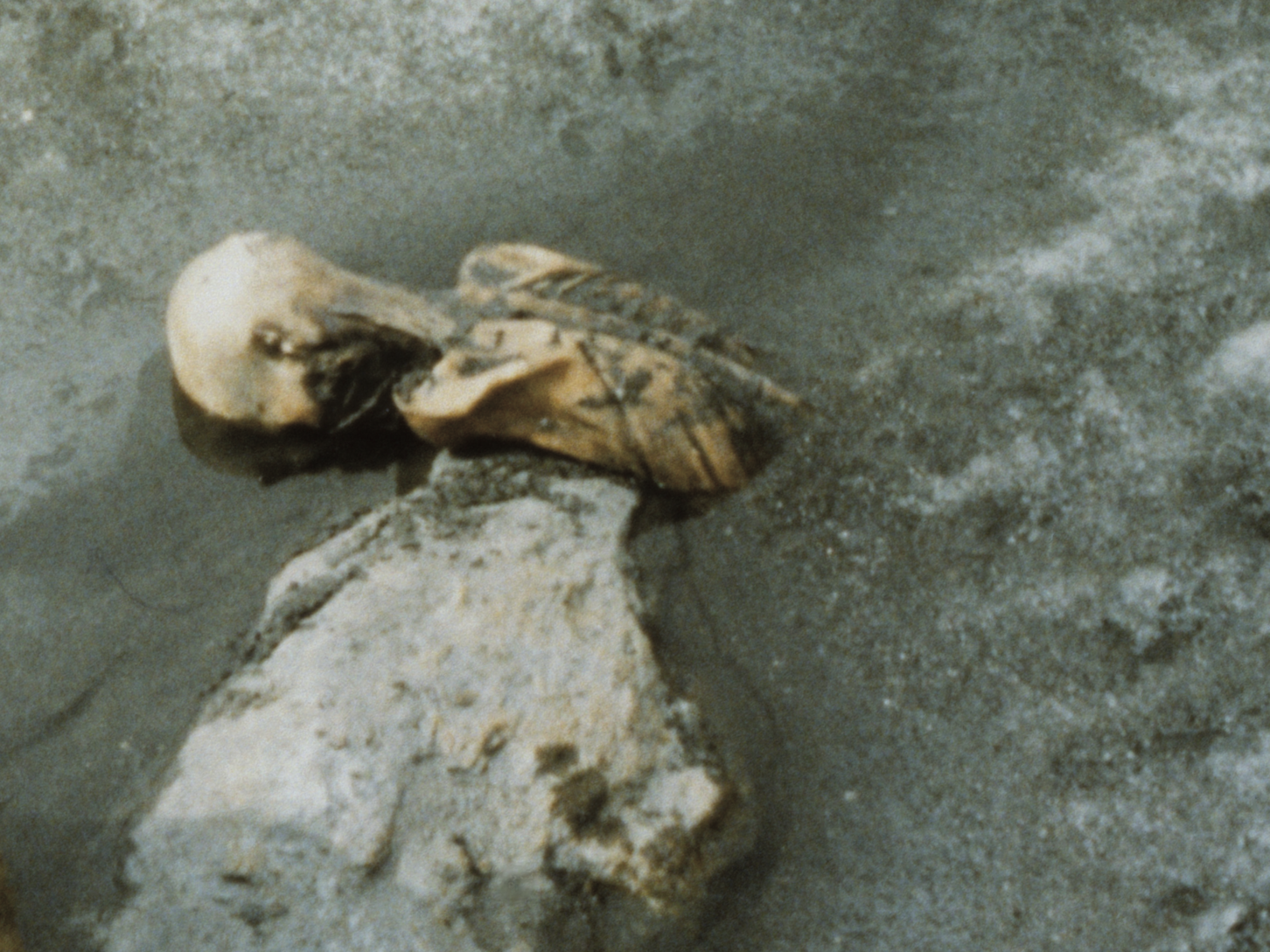
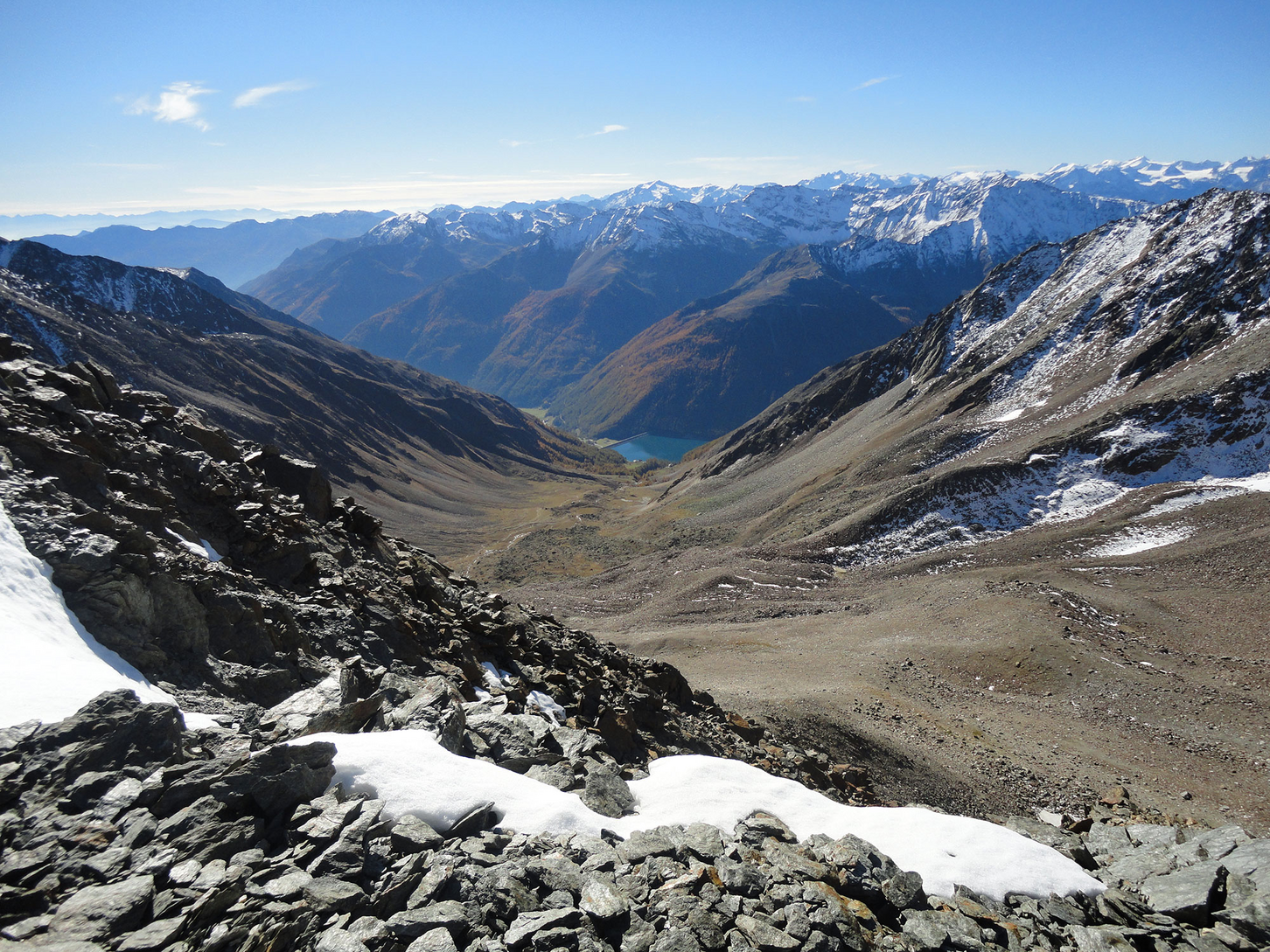
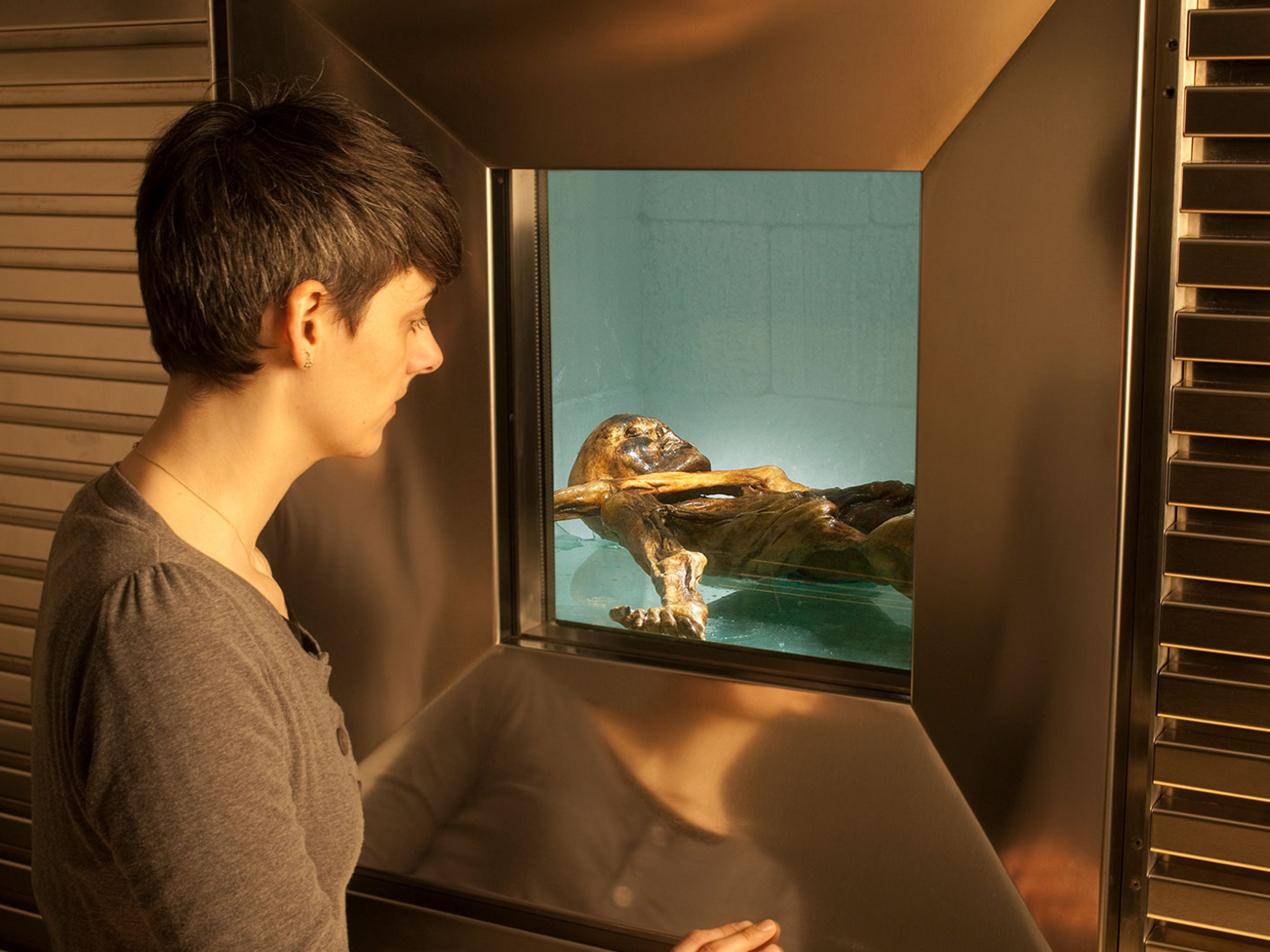
The discovery of the glacier mummy Ötzi on 19 September 1991 at the Tisenjoch sparked an international sensation. The original discovery site, at 3,210 metres above sea level, remains to this day the symbolic centre of a cross-border cultural brand linking Tyrol and South Tyrol. The site attracts numerous walkers every year. The topic is already covered in the Ötzi Village in Umhausen and at the archeoParc Schnalstal, but the existing exhibition in the display area no longer reflects the current state of digital knowledge dissemination. To mark the 35th anniversary, appropriate measures were taken as part of a joint Interreg project.
- Production of a scientifically-backed explanatory video filmed directly at the Ötzi discovery site on the Tisenjoch, presented by Walter Leitner
- Content recorded in five languages (DE, EN, IT, FR, NL) and digitally processed
- Interactive digital find map featuring 13 artefacts on a 75-inch touchscreen
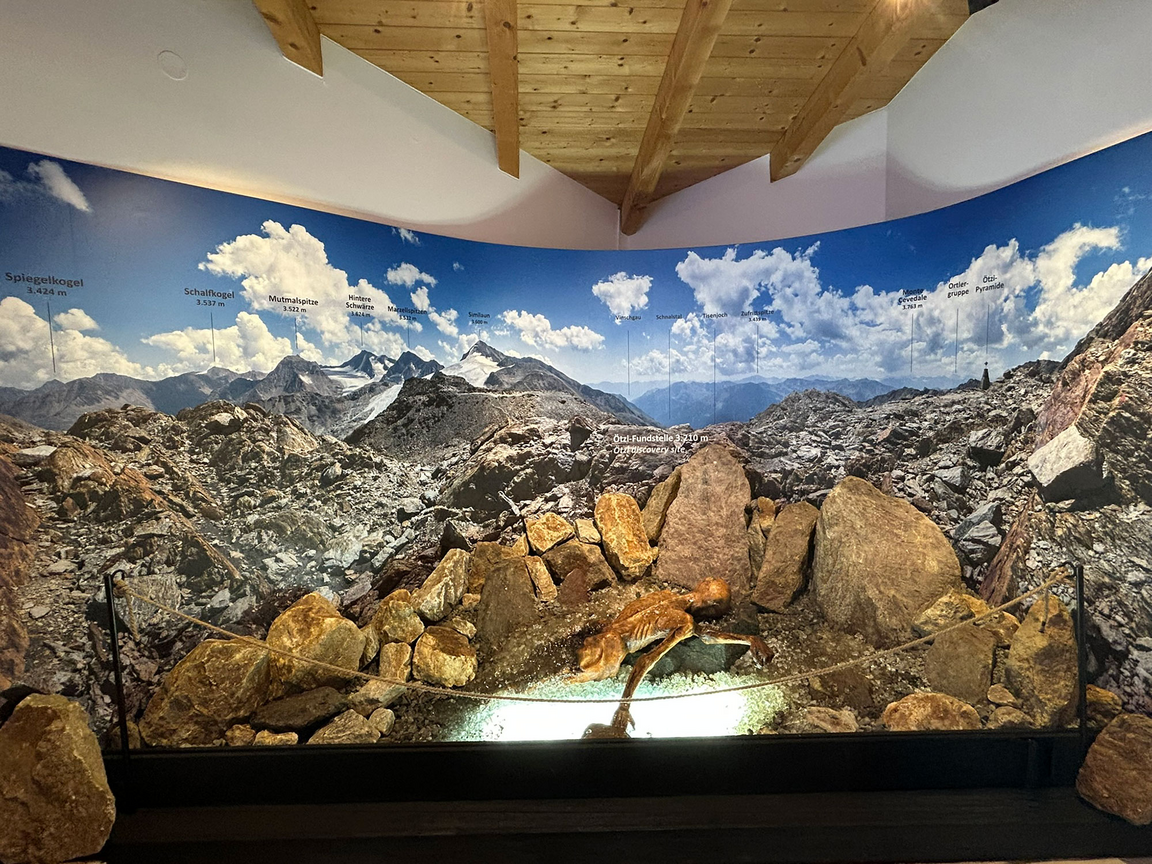
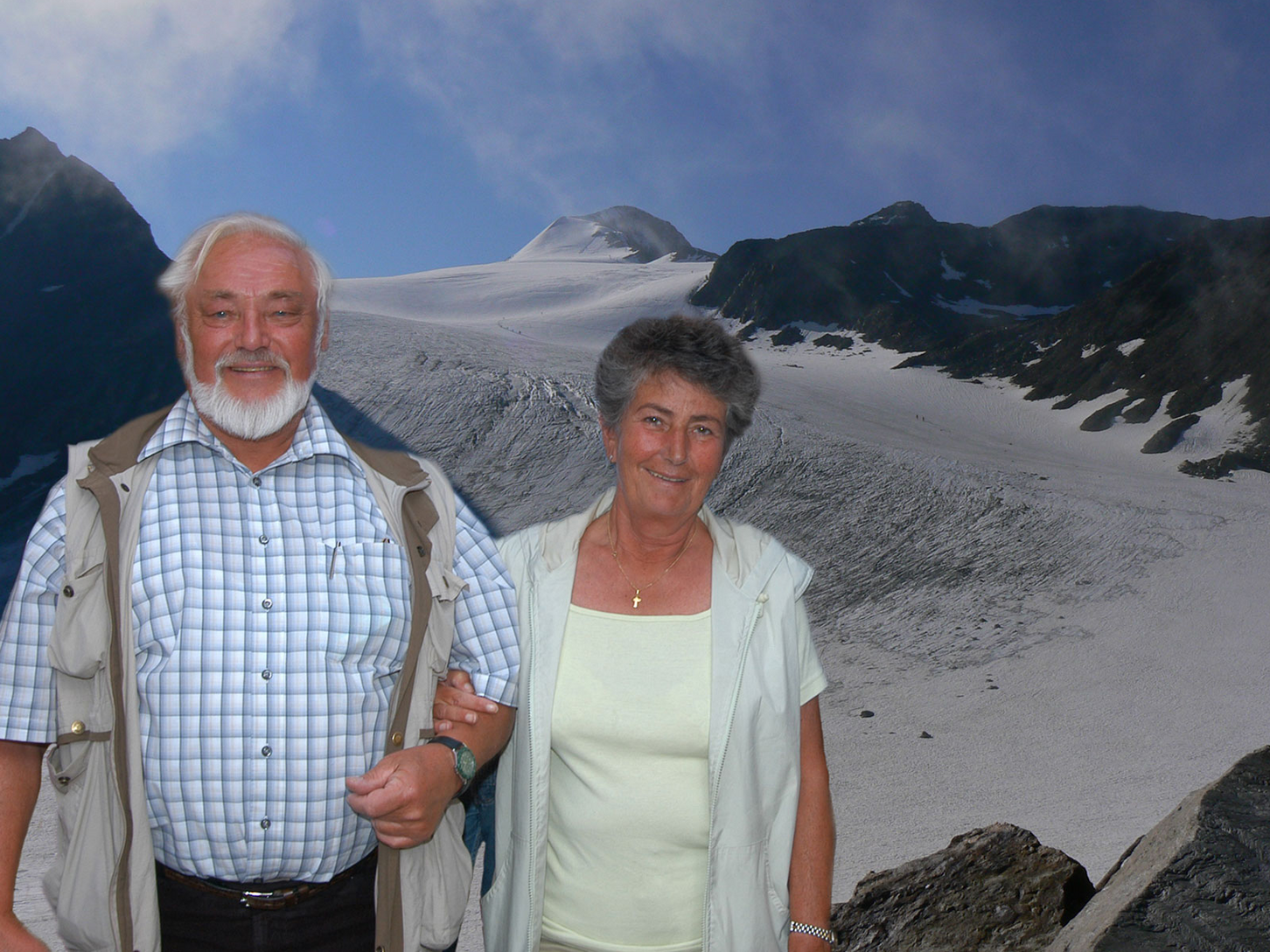
- Scenographic enhancement of the 1:1 replica of the Ötzi discovery site with a panoramic image in the information exhibition space of the Ötzi Village
- Cross-border cooperation: all media content is made available to the archeoParc Schnalstal
- Concept development for an immersive exhibition area featuring a replica helicopter cockpit and projection at the archeoParc Schnalstal
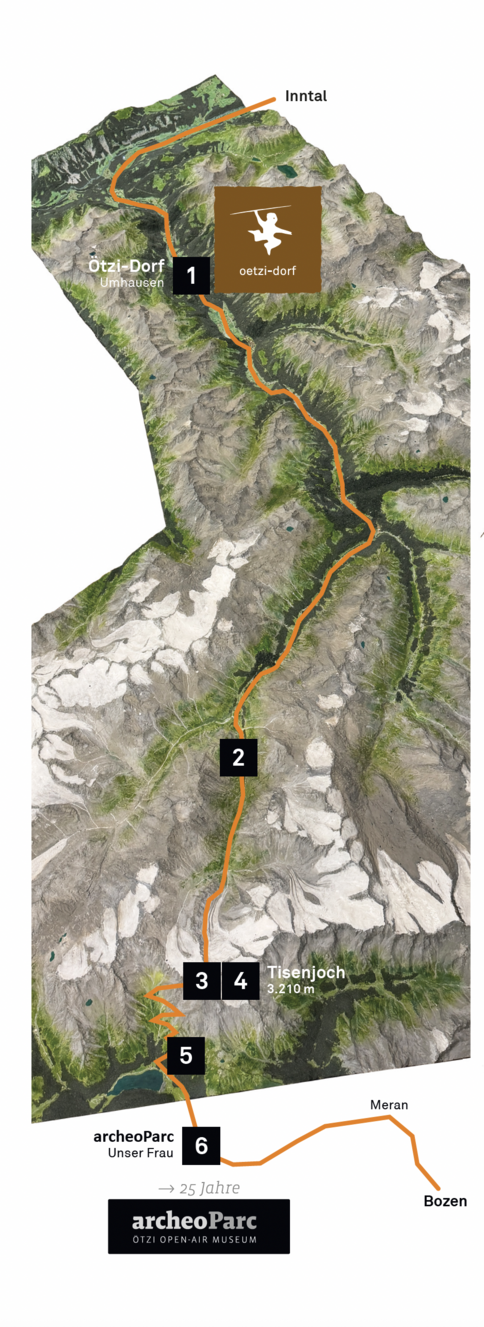
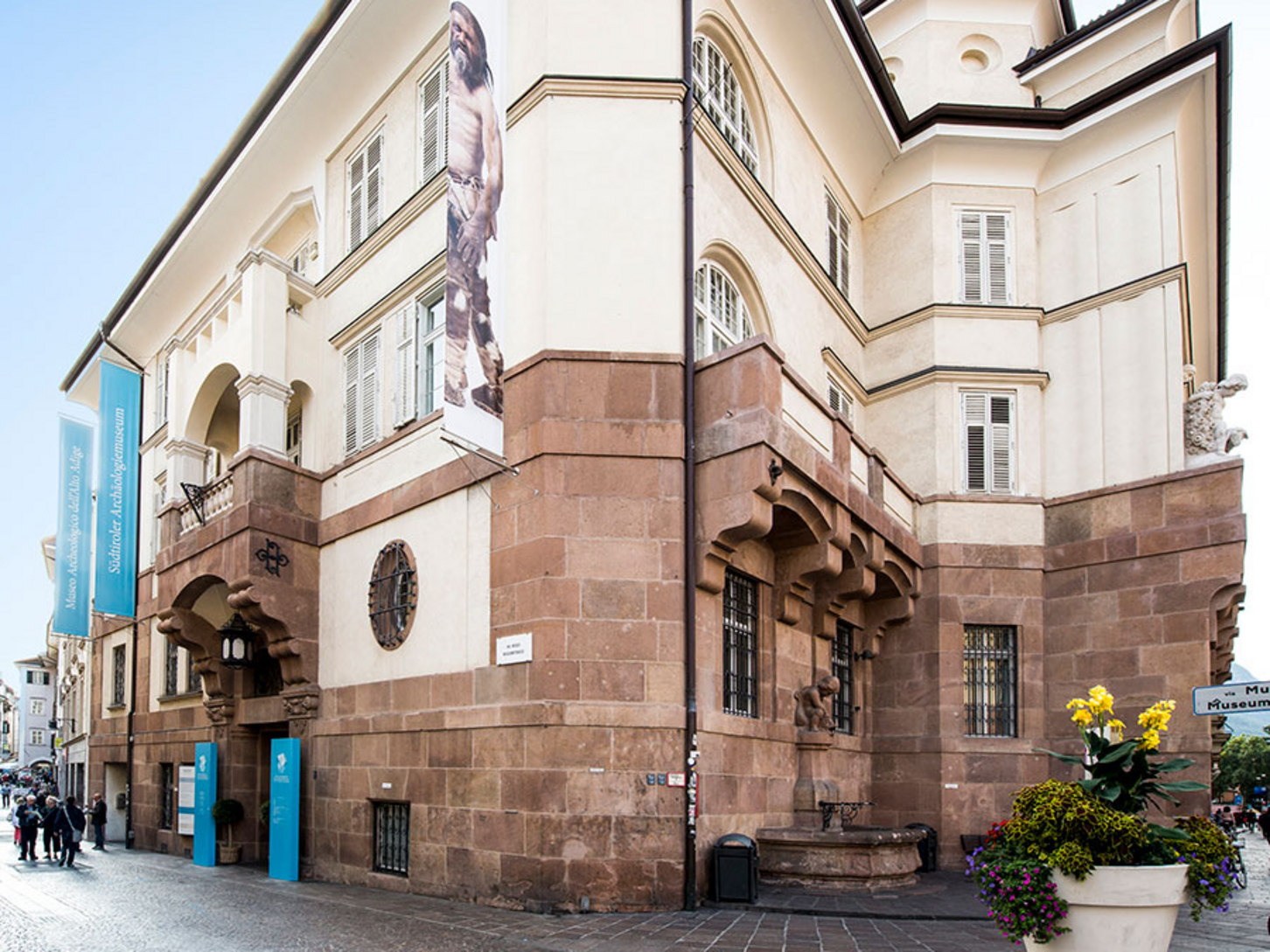
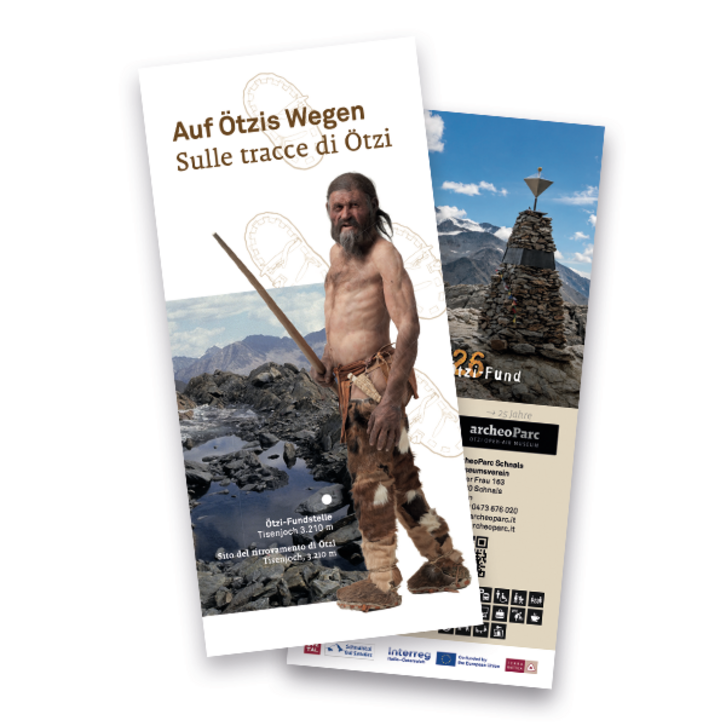
- Bilingual (German and Italian) leaflet ‘In Ötzi’s Footsteps’ as a unifying element between the three sites – Ötzi Village, the Ötzi discovery site and archeoParc Schnalstal – with a reference to the South Tyrolean Archaeology Museum
The aim is to deliver innovative, multilingual education, to modernise the infrastructure in a sustainable manner, and to strengthen cooperation between Tyrol and South Tyrol. At the same time, the quality of the exhibition experience will be enhanced, visitor engagement increased, and digital educational content created that can be used in the long term. Furthermore, regional businesses in the media, crafts and tourism sectors will be economically strengthened.


Ötzi and his era
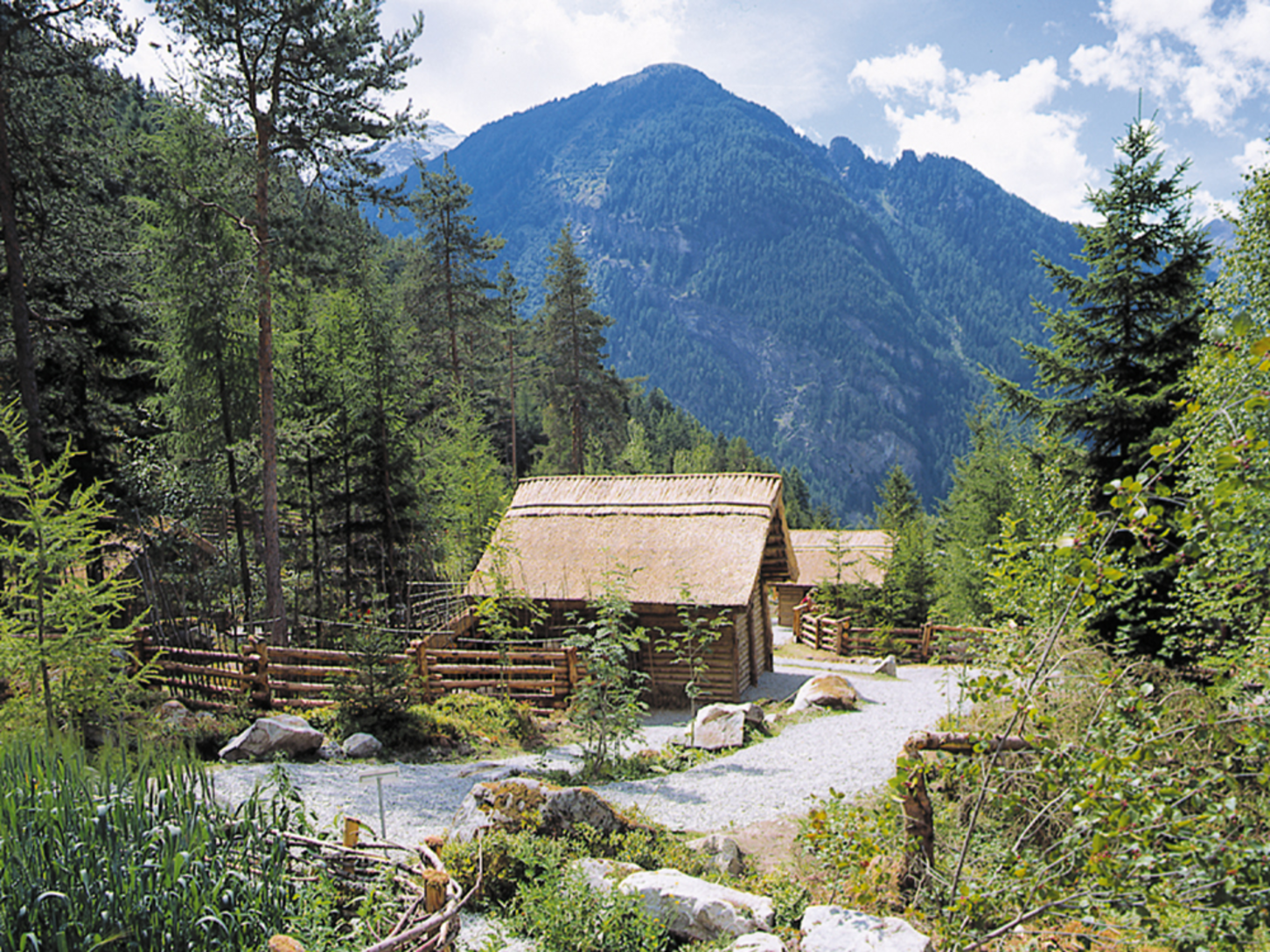
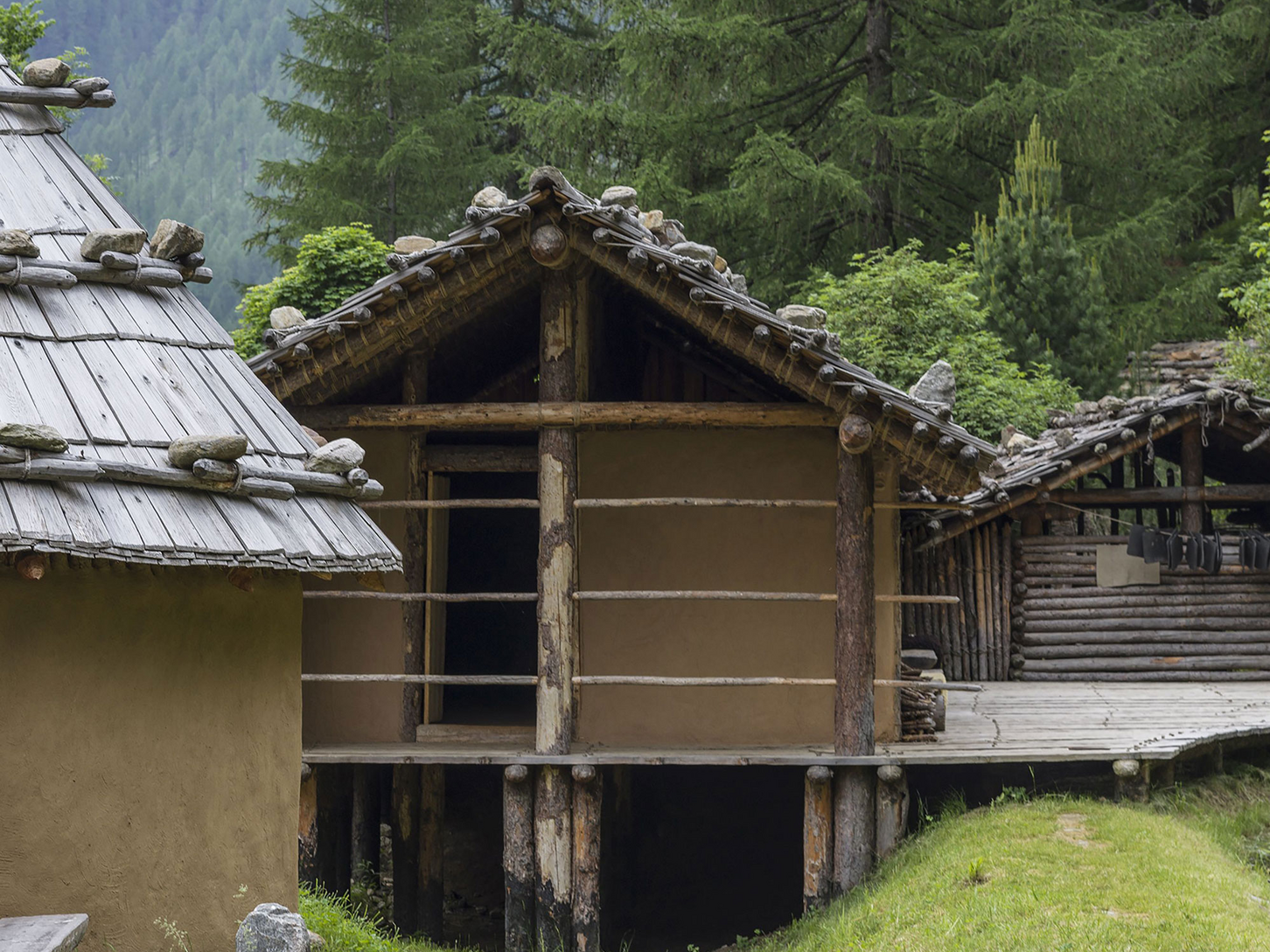
At the open-air archaeological park, you can experience what life was like 5,000 years ago. Reconstructed buildings, hunting and working tools, and ancient breeds of domestic animals bring everyday life in the Stone Age to life. The exhibition is based on the Ötzi finds and research, as well as reconstructions by the University of Innsbruck.
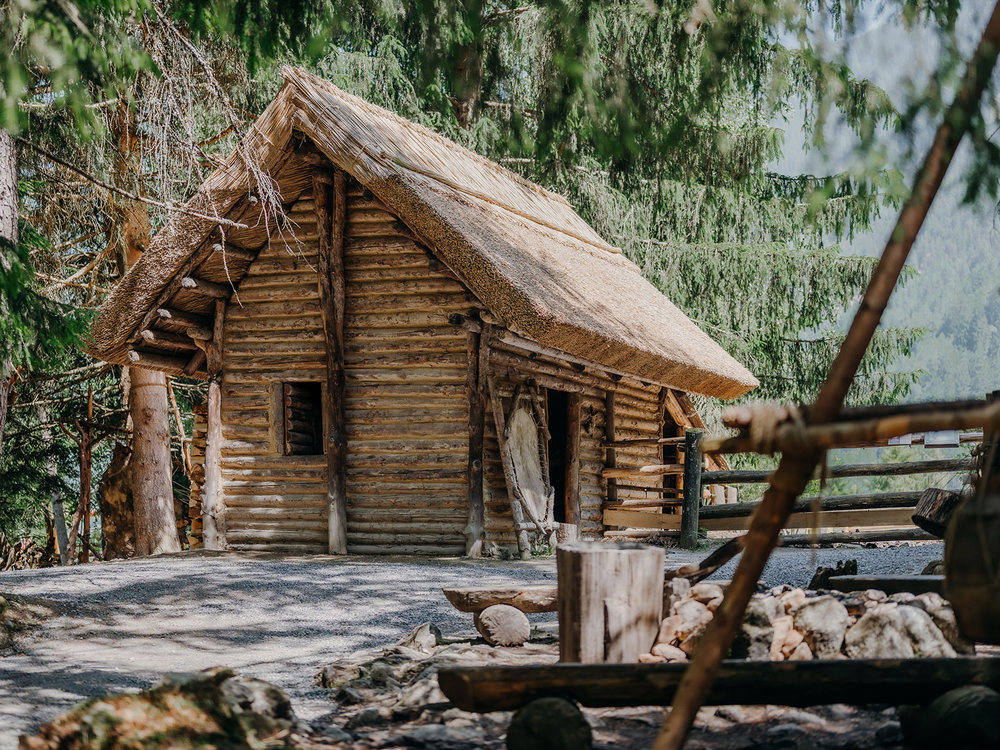

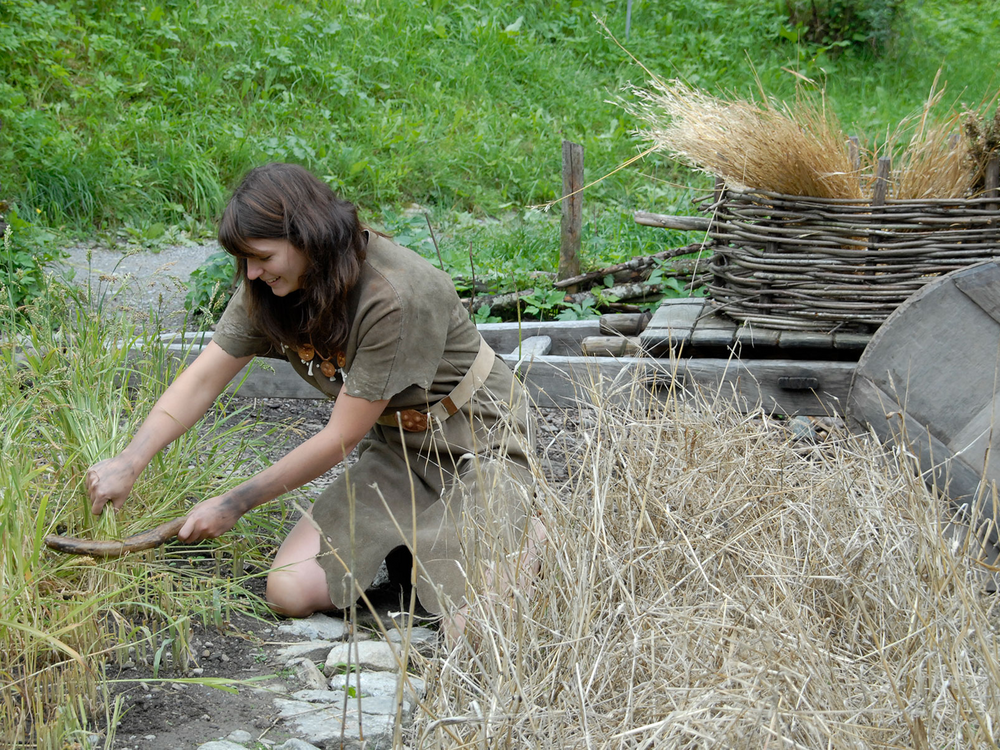
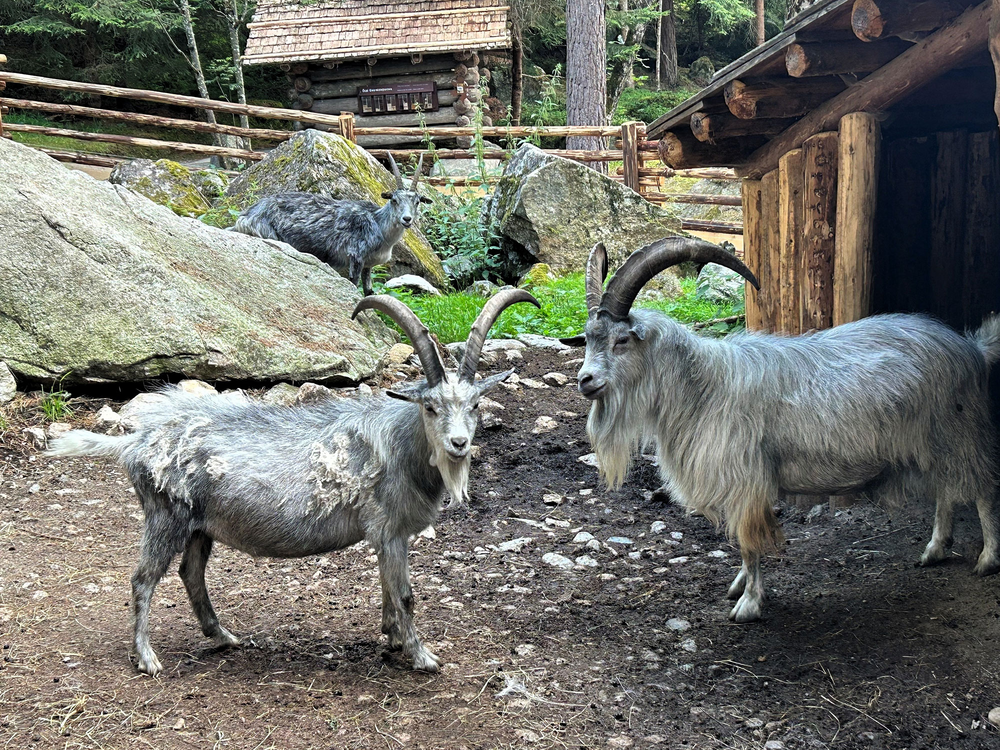
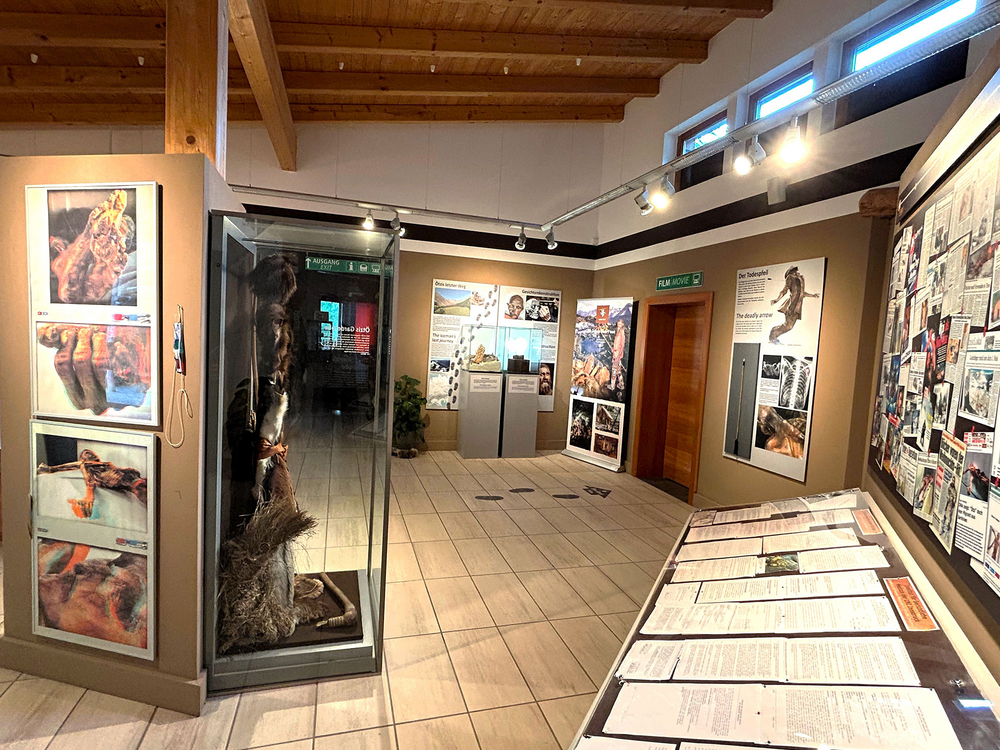
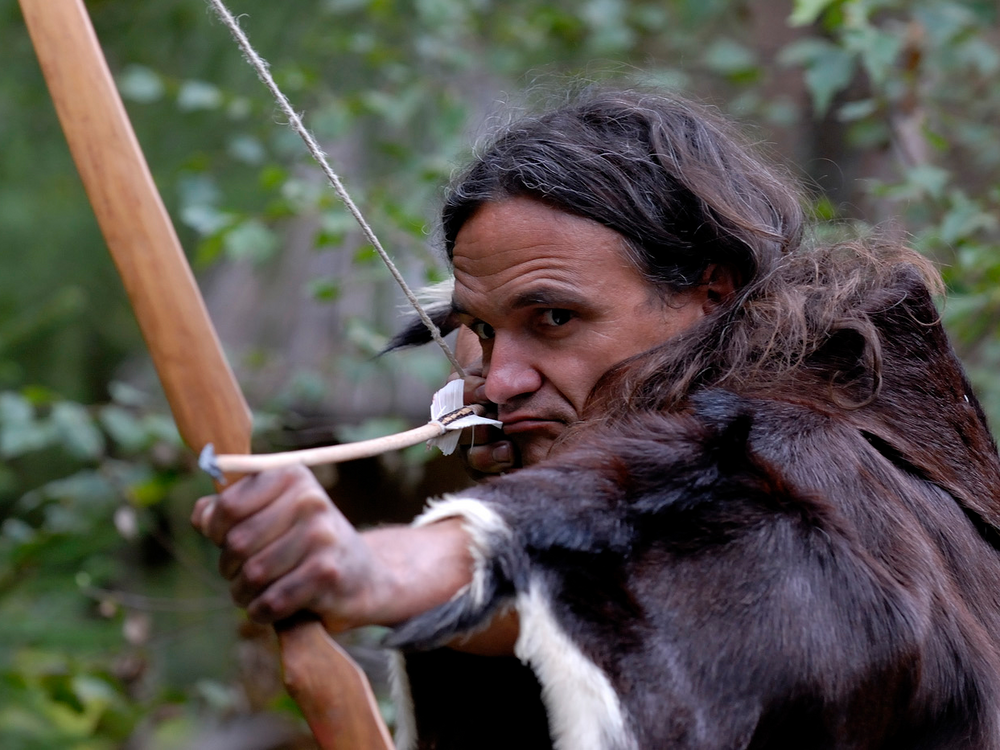
©: Ötzi-Dorf, Photo: Andreas Ebermann - TVB Ötztal Tourismus

Discover where and how Ötzi lived
An open-air archaeological museum with a visitor centre in the Schnalstal valley in South Tyrol. Exhibitions and six interactive stations exploring the discovery and life of Ötzi. Daily programme for adults and children: hourly craft demonstrations, workshops and guided tours.
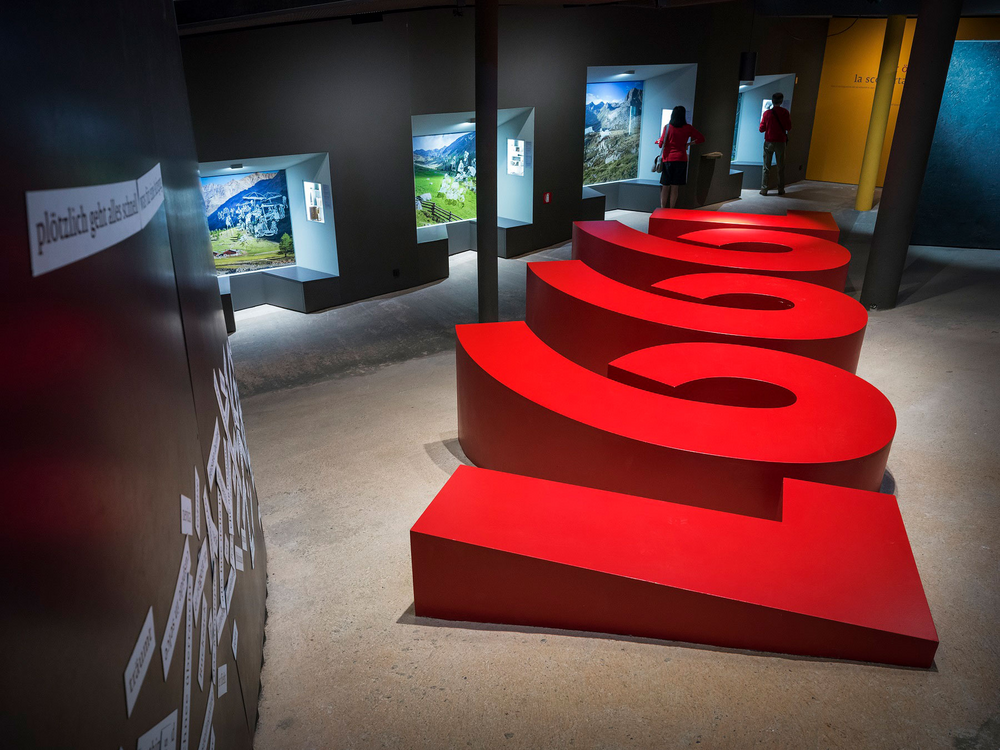
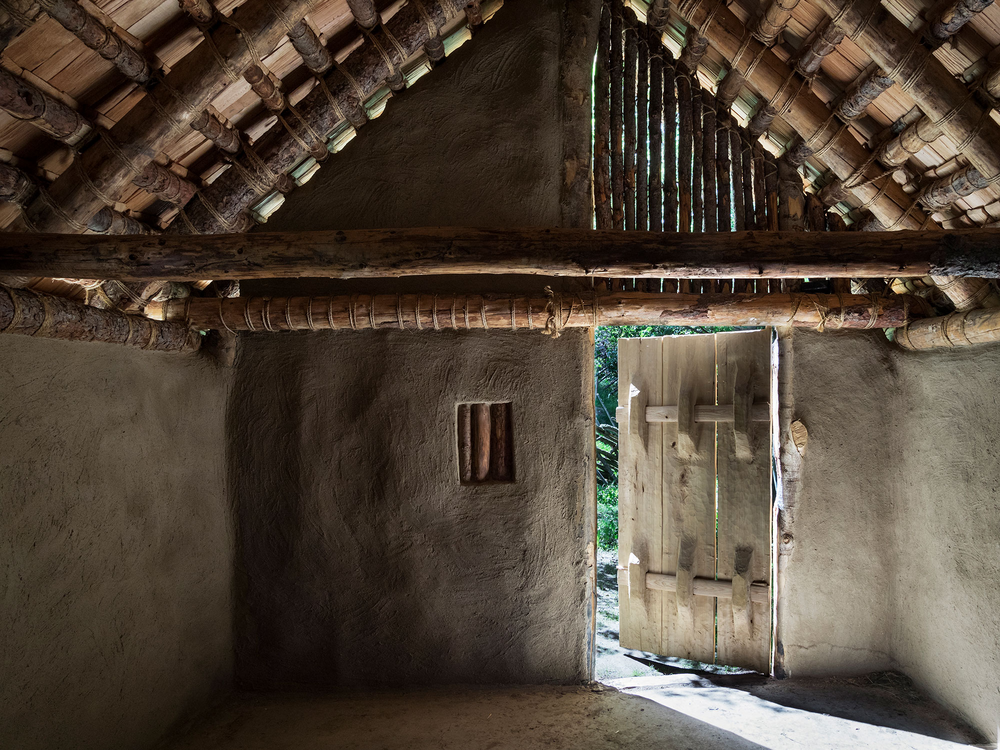
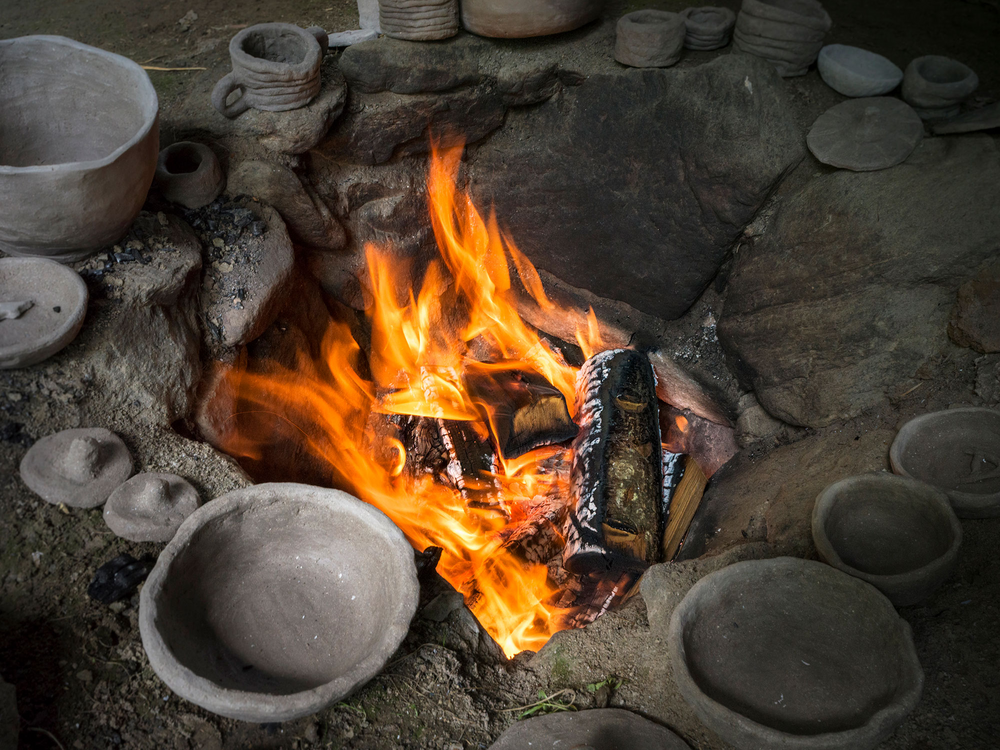
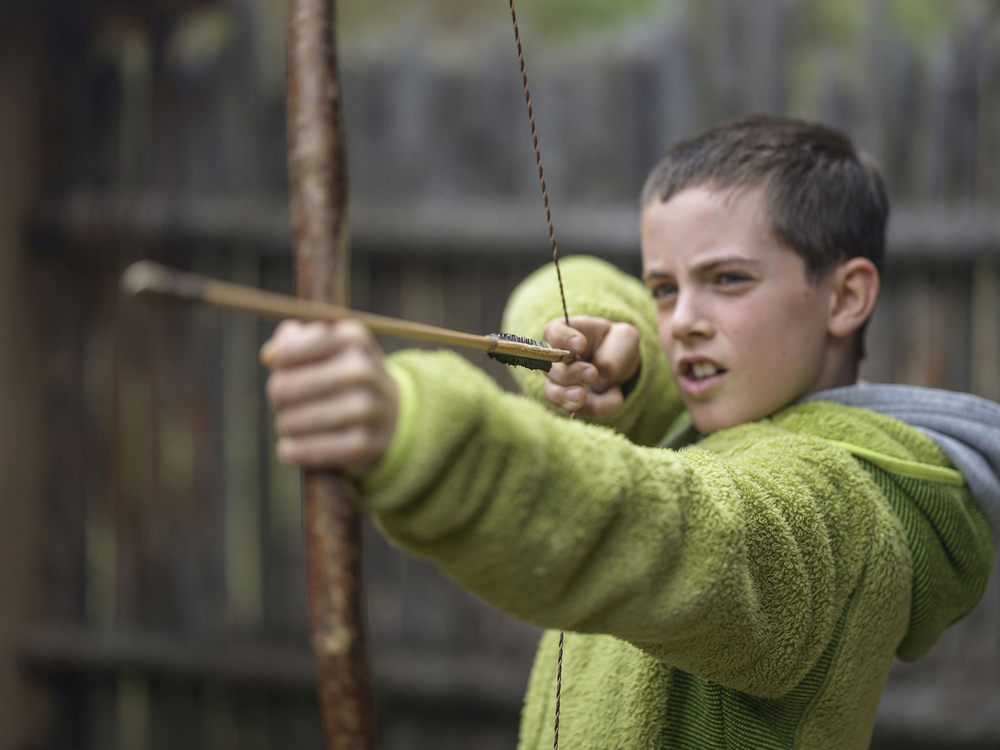
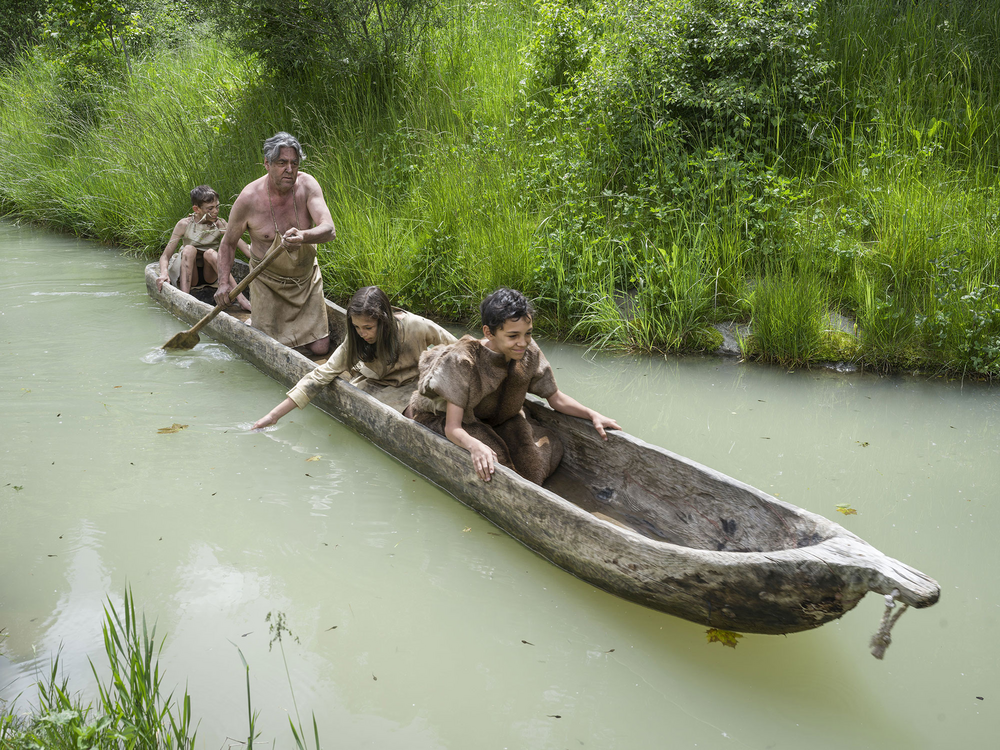
©: archeoParc Schnalstal, Photo: Ganesh Neumair
In the Footsteps of Ötzi
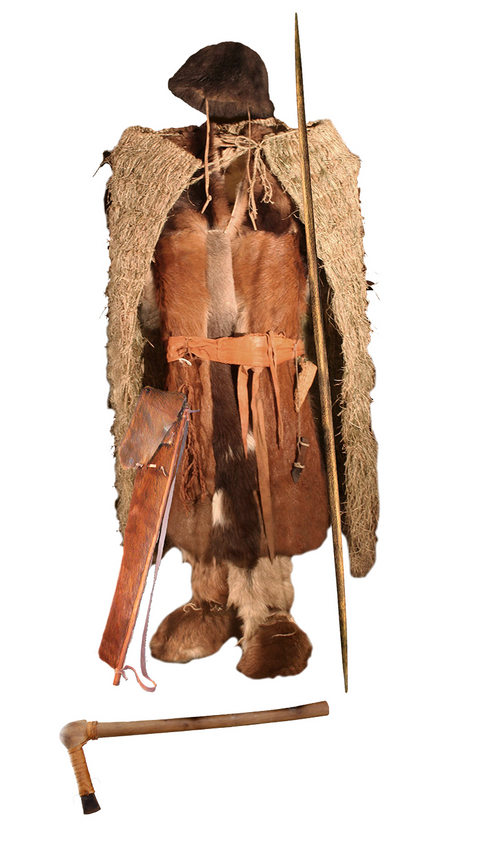
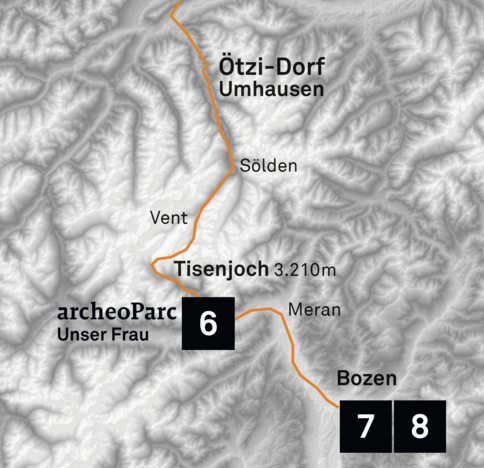
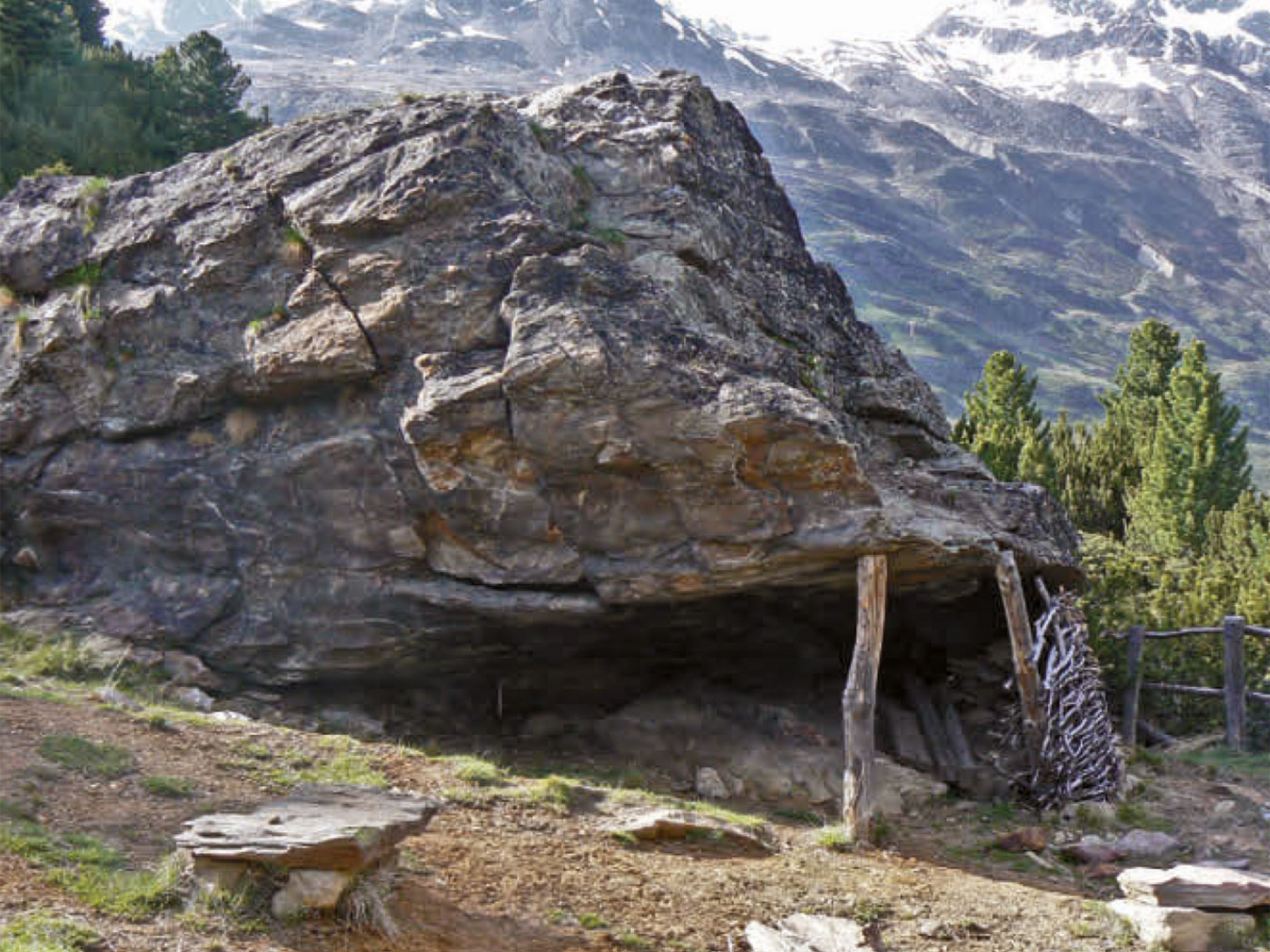
The core area in which Ötzi lived is thought to have been primarily in the Ötztal Alps, the Schnalstal valley and the upper Etschtal valley. However, the steep routes across the main Alpine ridge were also frequently used, as evidenced by several finds at the Tiesenjoch, as well as near Vent and even in the central Ötztal near Längenfeld. These were Alpine transit routes along which barter trade and pastoral farming were once practised.
Impressum:
Header image: Reconstruction of Ötzi – © South Tyrolean Archaeology Museum, Augustin Ochsenreiter
Image credits: Image 1: © Ötzi Village, Umhausen
Image 2: © Walter Leitner
Image 3: © Helmut Simon
Image 4: © Helmut Simon
Image 5: © Walter Leitner
Image 6: © archeoParc Schnalstal, photo: Ganesh Neumair
Image 7: © South Tyrolean Archaeological Museum / foto-dpi.com
Image 8: © South Tyrolean Archaeological Museum / Augustin Ochsenreiter -
Texts: Prof. Dr Walter Leitner / archeoParc Schnalstal